Travel textiles · Pillow construction
Silk on the Go: Understanding Construction in Gingerlily Travel Pillows
The best travel pillow is a thoughtful balance of softness, support and portability. In Gingerlily’s travel-pillow construction, mulberry silk, cotton sateen and a blended filling each have a distinct role—together creating a compact cushion intended to feel considered both in transit and at rest.
Published November 7, 2026
A pillow’s character is not decided by its silhouette alone. The fabric against the face, the resilience of the filling, the amount of loft and the way the whole piece responds to being packed all shape the experience. On the move, those details become especially noticeable. A cushion that feels inviting at home may be awkward to carry; one that packs down neatly may offer too little substance when it is time to rest.
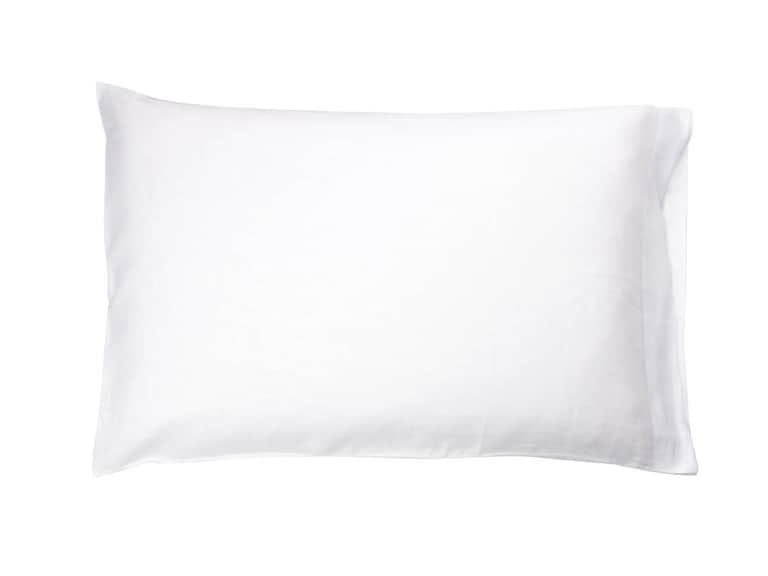
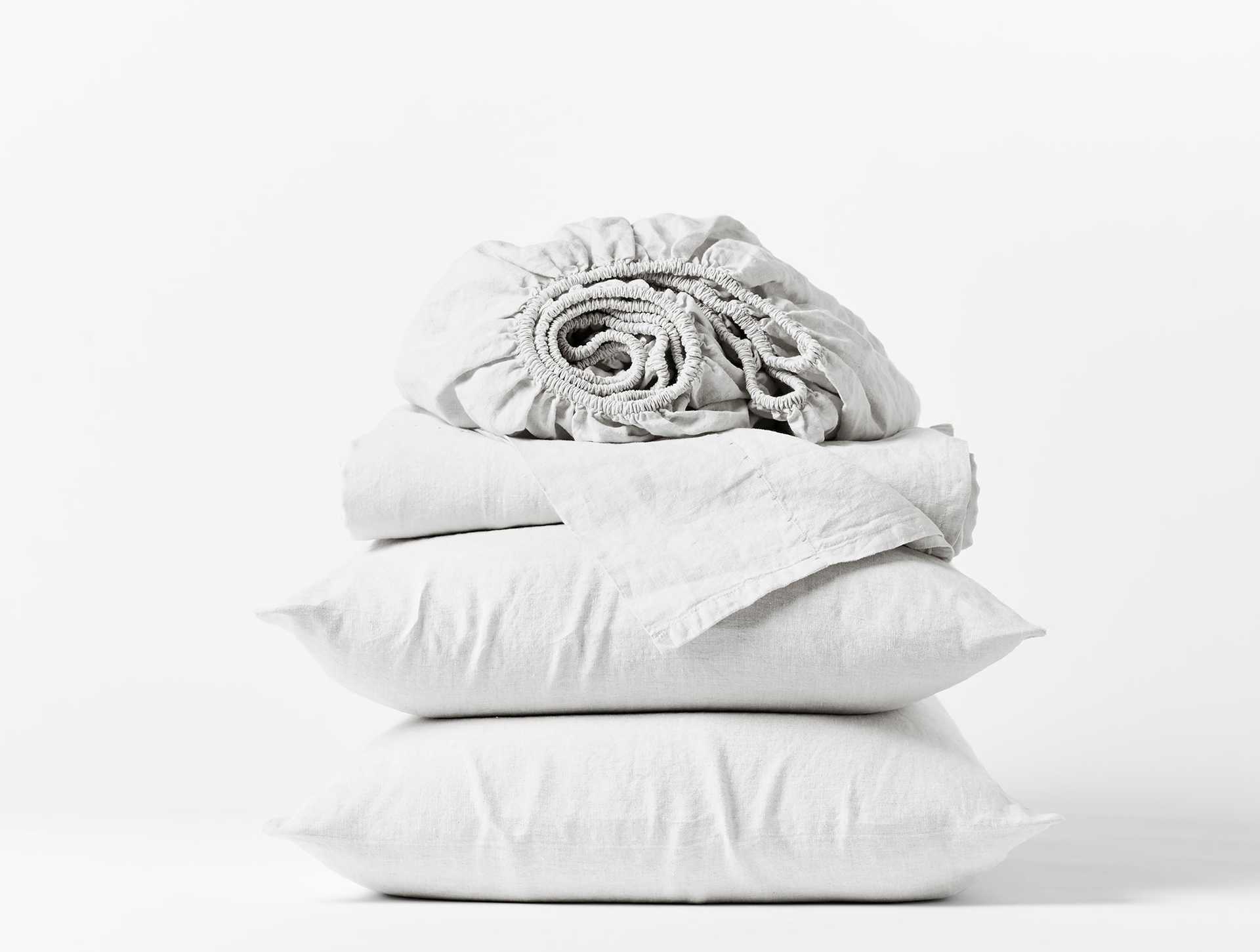
Gingerlily travel pillows bring together materials with different strengths. The described construction pairs a 19-momme, 100% mulberry silk outer surface with a 300-thread-count cotton sateen casing around the cushion, and a filling made from pure long-strand mulberry silk wrapped around a polyester core. The cushion pad is included. This combination is best understood not as a single-material pillow, but as a layered object: each component contributes something different to touch, structure and day-to-day practicality.
Understanding those layers helps set sensible expectations. Silk can lend a smooth, refined feel; cotton sateen provides a soft, woven casing; and the mixed filling is designed to maintain loft without making the pillow excessively bulky. The result is a portable textile with a more nuanced construction than a simple foam travel cushion. Here is how the materials work together—and what to consider when caring for a pillow that may be used, stored and packed frequently.
Why construction matters in a travel pillow
At home, a pillow usually has a familiar place and a relatively predictable routine. A travel pillow is asked to do more: move from a suitcase to a seat, accompany a long journey, or serve as a compact cushion in an unfamiliar setting. That changes the importance of details that might otherwise seem minor. A smooth cover can feel pleasant against the skin, but the pillow also needs enough loft to be useful and a shape that is manageable when packed.
The term construction describes how a pillow’s components are assembled and how they interact. It includes the outer fabric, any inner casing, the filling, seams and closures, as well as the pillow’s finished dimensions and loft. A description of the fiber alone—“silk,” for example—does not explain the full experience. Two pillows made with silk may feel quite different if one uses silk only in its cover while the other also incorporates silk in the filling.
For Gingerlily travel pillows, the stated material details reveal a layered approach. The outer surface is mulberry silk. The cushion casing is cotton sateen, and the fill combines long-strand mulberry silk with a polyester core. Each layer has its own function, so it is useful to read the specifications as a whole rather than treating any one material as the complete story.
The silk surface: a tactile first impression
Mulberry silk is the pillow’s most immediately distinctive material. At 19 momme, the silk has a specified weight that helps describe its substance. Momme is a traditional unit used for silk fabrics; it is not a thread count, and it cannot be compared directly with cotton thread-count figures. In everyday terms, the number gives readers a reference point for the fabric’s weight, while the exact feel also depends on the weave, finishing and handling.
On a travel pillow, the silk cover is the surface a user encounters first. Silk is associated with a smooth hand and a gentle drape, qualities that lend a polished feel to a small cushion. Its appeal is partly sensory: a fine, sleek textile can make a practical object feel more considered, whether it is used during a quiet moment on a journey or placed beside a bed away from home.
Material descriptions sometimes attach broad claims to silk, from temperature management to effects on skin or hair. It is more useful to keep expectations grounded in the properties of the textile itself. Silk is a natural protein fiber with a smooth surface, but an individual’s comfort depends on many factors, including room conditions, personal sensitivity, the pillow’s cover and how it is used. A silk surface does not replace a supportive pillow design, nor does the fiber alone determine how warm or cool someone will feel.
Silk also calls for attention to care. It is a delicate textile, and friction, high heat, unsuitable detergents or rough handling may affect its appearance and hand. A travel item can be exposed to more handling than a pillow that stays in one place, so a protective bag and careful packing are useful habits. The specific care instructions for the item should always take precedence over general advice.
Cotton sateen: the practical layer beneath
The cushion casing is described as 100% cotton sateen with a 300-thread-count construction. Sateen is a weave structure, not a fiber. In this case, the fiber is cotton; sateen describes how the yarns are arranged to create a surface that is typically smoother and more lustrous than a plain-weave cotton fabric.
That distinction matters because fabric names often combine several kinds of information. “Cotton” identifies the fiber, “sateen” identifies the weave, and “300 thread count” indicates a count used to describe the fabric’s construction. None of these details alone tells the full story of softness or durability, but together they help explain the casing’s intended character. A closely woven cotton sateen can provide a soft, composed enclosure around the filling.
In a layered travel pillow, the casing is more than an unseen technical detail. It helps contain the fill and contributes to the cushion’s overall feel and structure. Its role is different from that of the silk outer cover: one is part of the internal cushion construction, while the other supplies the visible and tactile surface. Knowing which material sits where clarifies the pillow’s design and the way its components may need to be cared for.
When checking any travel pillow, look for clear information on whether a cover is removable, whether it can be washed separately, and whether the insert has its own care requirements. Those details are not interchangeable. A washable cover does not necessarily mean the inner cushion can be machine-washed, and a delicate outer material may call for more caution than the casing beneath it.
A blended filling for loft with less bulk
The filling described for the Gingerlily travel pillow combines 50% pure long-strand mulberry silk with a 50% polyester core. The silk is wrapped around the polyester core, and a cushion pad is included. This arrangement gives the filling a mixed-material structure: silk forms part of the fill, while polyester contributes to the core.
Why blend materials? Travel pillows have competing demands. A cushion should have enough body to feel useful, yet it should not become so bulky that it is cumbersome to carry. According to the construction description, the blended fill is intended to maintain loft without excessive bulk. That is a design aim rather than a promise that every traveller will experience identical support. Body position, personal preference and the length of use all influence whether a particular pillow feels comfortable.
Loft refers to the pillow’s height and fullness. A higher-loft cushion may feel more substantial, while a lower-profile one may be easier to tuck into a bag or use in a confined space. Fill distribution matters too: an even, well-contained filling is more likely to retain a consistent shape than one that shifts freely. For travel, the useful question is not simply “Is it soft?” but “Does its size and loft suit the way I plan to use it?”
The blend also makes this pillow different from a cushion filled entirely with silk or entirely with polyester. A product description should be read precisely: the silk content of the filling is not the same as saying the cushion is 100% silk-filled. The outer surface, casing and fill are separate parts of the design, each with its own listed composition.
What to assess before choosing a travel pillow
A well-informed choice begins with use rather than appearance. Think about where the pillow will go, how often it will be carried and whether it is intended mainly for a journey, a hotel room, or both. A decorative, tactile surface may be appealing, but dimensions, weight, shape and care requirements should be considered alongside it.
- Material placement: Check which fibers are used in the cover, casing and filling. “Silk pillow” can describe different constructions.
- Loft and dimensions: Look for measurements and consider whether the cushion’s profile suits your preferred position and available packing space.
- Fill composition: Identify whether the filling is natural, synthetic or blended, and whether the product description explains how the materials are arranged.
- Closure and access: If the cover opens or is removable, note how it closes and whether the insert can be separated for care.
- Maintenance: Confirm the instructions for both the outer textile and the inner cushion. A delicate fabric may need a gentler routine.
- Storage: Consider whether a protective bag is provided or recommended, especially for a silk surface that may snag or rub against rough items.
A travel pillow is personal in a way that a decorative cushion may not be. Someone seeking a light, compact layer may prioritize portability; another traveller may place greater importance on a fuller feel. There is no universal ideal loft or fabric. The most helpful product information is specific enough to let readers match construction to their own habits without overstating what a material can do.
Packing silk thoughtfully
Frequent packing brings repeated contact with zippers, buckles, textured garments and other objects in a bag. Silk’s smoothness is part of its appeal, but delicate fabrics can be vulnerable to snags. A little separation can help: place the pillow in a clean fabric bag, keep it away from sharp hardware, and avoid compressing it beneath heavy items for long periods. If the product includes a storage bag, use it as directed.
Before packing, make sure the pillow is clean and fully dry. Moisture trapped in a closed bag is undesirable for textiles generally. On arrival, take it out and allow it to recover its shape rather than leaving it tightly compressed. The amount of recovery time needed will depend on the construction and how firmly it was packed.
It can also be useful to distinguish normal creasing from damage. Soft textiles may show folds after travel; a snag, pulled thread or persistent distortion is a different issue. Avoid tugging at loose threads or using heat to smooth the silk unless the care label allows it. When uncertain, follow the manufacturer’s instructions or seek professional textile-cleaning guidance.
Care: gentle habits, clear instructions
The listed care information for Gingerlily travel pillows describes a delicate machine-wash cycle at no more than 30°C, mild detergent, air drying and a cool iron if needed. These directions are specific to the described product construction, and the care label on the item should be treated as the final authority. A mild, silk-appropriate detergent is preferable to a harsh formula, and bleach should be avoided unless the label explicitly says otherwise.
Before washing, check whether the silk cover and cushion pad are intended to be washed together or separately. The product details describe the cushion pad as included, but they do not establish that every component has identical care requirements. If the pillow has a removable cover, separate the components only if the design and instructions permit it. Turning a removable cover inside out, using a laundry bag and washing it with similar delicate items can help reduce friction.
Air drying is a measured choice for delicate textiles. Keep the item away from direct, intense heat and avoid twisting or wringing it, which can strain fabric and seams. If ironing is permitted, use a cool setting and take care not to press directly over delicate details unless the label allows it. The aim is to preserve the fabric’s hand and appearance, not to make a travel pillow look unnaturally pristine.
Regular cleaning needs depend on use. A pillow used occasionally in a clean setting may require a different routine from one carried on frequent trips. A washable outer cover, when present, can make upkeep more manageable, but cleaning intervals should reflect the care instructions and real conditions rather than a fixed rule for every household.
Comparing travel pillow materials
Comparisons are most useful when they focus on construction rather than on a hierarchy of “better” fibers. Silk, cotton and polyester each behave differently, and many pillows combine them. Silk offers a smooth natural-fiber surface; cotton sateen provides a cotton casing with a softly lustrous weave; polyester can contribute structure and resilience within a blended fill. These are broad material characteristics, not guarantees of performance in every product.
For a comparison, ask whether the same part of each pillow is being considered. A silk cover cannot be fairly compared with a polyester filling, because the materials serve different roles. Look at the complete specification: the cover fabric, any lining or casing, the fill composition, weight or dimensions, and care requirements. If a listing gives only the word “silk,” it may be worth finding out whether that refers to the outer shell, the filling, or both.
Also be attentive to claims about breathability, temperature regulation or support. These qualities can be affected by fabric density, weave, fill distribution, pillow shape and the conditions in which an item is used. Precise construction details offer a firmer basis for comparison than broad promises. With Gingerlily’s described travel pillow, the useful facts are the 19-momme mulberry silk surface, the 300-thread-count cotton sateen casing and the silk-and-polyester blended filling.
The appeal of a considered travel essential
Travel textiles occupy a small but distinctive place in the ritual of leaving home. They are practical objects, yet their materials can bring a touch of familiarity to unfamiliar surroundings. A compact pillow with silk on its surface offers that meeting of function and finish: a useful cushion presented with the soft sheen and refined hand of a more considered textile.
The appeal lies in the balance. The silk outer fabric is the tactile signature, the cotton sateen casing contributes to the internal construction, and the blended filling is designed to offer loft without unnecessary bulk. None of these details should be considered in isolation. Together, they describe a pillow conceived around portability, a pleasing surface and a filling with more than one material at work.
For readers comparing Gingerlily travel pillows or other travel pillow styles, the clearest approach is to move beyond the name and examine the layers. Identify the fibers, understand where they are used, check the dimensions and read the care label. That small act of textile literacy can make a travel accessory easier to choose and easier to maintain.
At a glance: Gingerlily travel pillow construction
| Component | Stated construction | What it contributes |
|---|---|---|
| Outer surface | 100% mulberry silk, 19 momme | A smooth, refined textile surface |
| Cushion casing | 100% cotton sateen, 300 thread count | A woven cotton enclosure for the cushion fill |
| Filling | 50% pure long-strand mulberry silk wrapped around a 50% polyester core | A blended structure intended to retain loft without excessive bulk |
| Included item | Cushion pad | The described pillow arrives with its cushion pad |
| Care described | Delicate wash at no more than 30°C, mild detergent, air dry, cool iron if needed | A gentle routine; always confirm the item’s care label |
Frequently asked questions
Is the entire Gingerlily travel pillow made from silk?
No. The described construction uses 100% mulberry silk for the outer surface, cotton sateen for the cushion casing, and a blended filling of silk wrapped around a polyester core. Reading each component separately gives a more accurate picture than calling the whole pillow “silk.”
What does 19 momme mean?
Momme is a traditional unit used to describe the weight of silk fabric. It is not a thread count and is not directly comparable with the thread-count number used for cotton fabrics.
What is cotton sateen?
Cotton sateen is cotton woven in a sateen structure. Cotton identifies the fiber, while sateen describes the weave. The construction is commonly associated with a smooth surface and a subtle lustre.
How should I care for a silk travel pillow?
Follow the care label for the specific pillow and its components. The described instructions call for a delicate wash at no more than 30°C, mild detergent, air drying and a cool iron if needed. Check whether the cover and cushion pad have separate instructions before washing.
Will a blended filling feel the same to everyone?
No. Comfort depends on personal preference, body position, the pillow’s dimensions and loft, and the circumstances of use. The listed blend describes the materials, while individual experience varies.