Bedding · Materials & Care
Down or Wool? How Comforter Fill Shapes Warmth and Care
A comforter’s character begins beneath its cover. Down is prized for airy loft and a cloudlike feel; wool offers a more grounded kind of insulation, with a distinctive ability to buffer changes in temperature and moisture. Understanding how each fill behaves can help you choose warmth that feels right for your room, your sleep habits, and your approach to care.
Published November 24, 2026
In the choreography of a well-made bed, the comforter is the final, most intimate layer: the piece that determines whether a night feels cocooned or airy, substantial or barely there. Its exterior may establish the room’s palette, but its fill does the less visible work of shaping insulation, weight, loft, and the way warmth feels across the night.
Down and wool are both natural fills, yet they create notably different sleep experiences. Down surrounds the sleeper with loft: fine clusters trap pockets of air, producing warmth with relatively little weight. Wool has a denser, more tactile presence. Its fibers form a resilient, breathable filling that can help moderate shifts in warmth and humidity. Neither is automatically superior. The better choice depends on the temperature of the room, how warm you tend to sleep, and whether you prefer a light, lofty cover or a steadier, more substantial one.
Choosing well means looking beyond a material name. Fill quantity, construction, shell fabric, warmth rating, and care instructions all influence performance. A thoughtful comparison begins with the way each fiber works.
What down does: loft without heaviness
Down is the soft, three-dimensional cluster found beneath the feathers of waterfowl. It is not the same as a conventional feather fill: down clusters have no firm central quill, and their branching structure creates space to hold still air. That trapped air is the source of down’s insulating power.
For sleepers, the result is often a comforter that feels unusually light for the warmth it provides. Down expands into a lofty layer around the body rather than pressing heavily against it. Many people value this airy, enveloping sensation, particularly in a colder bedroom where they want generous insulation without the weight of several blankets.
Loft is not a simple measure of how warm a comforter will feel in every situation. A fill’s quality and amount matter, as does the way the comforter is stitched. Baffle-box construction, for example, uses internal fabric walls to help keep clusters distributed and create room for them to expand. Sewn-through construction joins the top and bottom fabric directly, making a flatter profile; the seams can also create cooler channels where fill is compressed. Construction details influence how evenly warmth is distributed and whether the comforter develops thin or overfilled areas with use.
Down comforters are frequently described as exceptionally warm for their weight, but that does not mean every down comforter is hot. Fill power, fill weight, and overall design are different factors. Fill power indicates the volume occupied by a given weight of down under standardized measurement; it describes loft potential, not a complete warmth rating. A lighter fill weight can still produce an insulating comforter, while a higher fill power alone does not guarantee that a particular model will suit a cold room.
What wool does: breathable, steady insulation
Wool fibers have a naturally crimped structure, creating small spaces that help retain air. In a comforter, this structure provides insulation, but wool tends to feel less cloudlike than down. Its fill is generally denser and has a more even, grounded drape. For some sleepers, that weight feels reassuring; for others, it may be more presence than they want from a top layer.
Wool is often selected for its ability to help moderate temperature and humidity. The fiber can absorb some water vapor while still feeling relatively dry, then release moisture as conditions change. In practical terms, this may make a wool-filled comforter appealing to people who notice night-to-night or seasonal temperature fluctuations, or who dislike a stuffy feeling beneath bedding. It does not actively cool the sleeper, nor does it guarantee a sweat-free night; room temperature, sleepwear, the cover fabric, and personal physiology all remain part of the equation.
That distinction matters. “Temperature regulating” is best understood as a material characteristic that can contribute to a more balanced sleep environment, not a promise that one fill will hold every person at an identical temperature. Wool’s performance depends on the comforter’s construction and quantity of fill as well as the conditions around it.
Wool may also have a springy, resilient feel, but comforters vary widely. Some are quilted into a compact, relatively flat layer; others are fuller and more insulating. If you are sensitive to weight or prefer a floating, low-pressure cover, try to assess the finished comforter’s overall feel rather than relying on the fiber name alone.
The feel of warmth: airy cloud or settled layer?
Warmth is both a physical outcome and a sensory impression. Two comforters that provide comparable insulation can feel different because one has more loft, one has more mass, or their shells respond differently against the skin. Down’s reputation for lightness comes from its ability to create an insulating air layer without a correspondingly heavy blanket. Wool usually offers a more substantial hand and a closer, steadier drape.
Think about how you like a bed to feel when you first settle in. Do you want a comforter to puff gently around you, with minimal pressure? Down may be the more natural fit. Do you prefer a layer that lies closer to the bed and feels quietly present? Wool may appeal. The sensation is personal, and a material’s general reputation cannot replace a clear sense of your own preferences.
Climate and bedroom conditions matter, too. A well-heated room and a naturally warm sleeper may call for a light fill, regardless of fiber. In a cool or poorly insulated room, a higher warmth level may be useful. A changeable climate can make adaptable layering more practical than choosing a single very heavy comforter: a medium-weight option, paired with a lighter blanket when needed, can offer more flexibility over the year.
Seasonal labels such as “summer,” “all-season,” or “winter” are useful only when you understand the maker’s rating system. They are not always directly comparable across brands. Look for specific information about fill content, fill weight, construction, and any stated warmth rating, then consider the typical temperature of your bedroom and whether you sleep hot or cold.
Warmth ratings and personal comfort
A warmth rating can help narrow the field, but no label can account for every sleeper. Comfort depends on the whole sleep system: mattress, sheets, pajamas, room ventilation, humidity, and the number of people sharing a bed. A comforter that feels perfectly warm to one person may feel too insulating to another.
When comparing options, read the rating as a guide rather than a universal temperature promise. Ask whether the rating is based on the finished comforter, the weight of the fill, or a maker-specific scale. If the product provides measurements such as fill weight or construction, use them to understand what the rating means. Consider the season in which the comforter will be used most, as well as whether you are willing to add or remove a separate layer.
For couples with different temperature preferences, a lighter comforter can be paired with a separate blanket on one side, or each sleeper can use an individual cover. This simple arrangement can reduce nightly negotiation more effectively than trying to find a single fill that feels identical to two people.
Also consider how quickly your room changes temperature. A well-insulated home that remains stable overnight creates different needs from a bedroom that cools substantially after sunset. Personal comfort is not a weakness in a product comparison; it is the most relevant measure of whether the choice will work in daily life.
Why the cover and construction belong in the conversation
The shell is not merely a decorative finish. Its weave, fiber, and density affect airflow, touch, durability, and how securely the fill stays inside. A tightly woven shell can help contain fine down clusters. A softer, lighter fabric may contribute to a more fluid drape, while a denser one can feel more substantial. With wool, the shell also affects the overall hand and breathability of the finished comforter.
Construction determines how fill is held in place. Boxed or baffled sections can encourage an even distribution of down and preserve loft, while quilting creates a more structured appearance and may compress fill at each seam. With either material, inspect the quilting pattern, edge finish, and stitching. Even distribution is important: a comforter that shifts or clumps can leave some areas warmer than others.
Dimensions matter for both comfort and appearance. A comforter should suit the mattress and allow for the preferred amount of overhang, but an unusually oversized cover may be cumbersome to wash or manage. Consider where it will be stored in warmer months and whether your usual duvet cover fits its dimensions well.
Care instructions deserve equal attention. A washable comforter can be convenient, but “machine washable” does not mean every home machine can safely handle its size. A large comforter may need a high-capacity washer or professional cleaning. Check whether the manufacturer recommends gentle washing, specialist cleaning, or regular airing, and factor that routine into your decision before purchase.
Care differences: follow the label, not assumptions
Down and wool both benefit from careful handling, but their care needs are not interchangeable. The construction, shell, finishing, and manufacturer’s instructions determine the safest method. Always read the sewn-in care label first, even if you have cared for a similar-looking comforter before.
Caring for down
Some down comforters can be washed, while others call for professional cleaning. If home laundering is permitted, use an appropriately sized machine so the comforter can move freely through water. Follow the specified detergent and cycle guidance, and make sure the comforter is thoroughly dried before storing or returning it to the bed. Dampness left inside a bulky fill can lead to unpleasant odors and compromise the comforter’s freshness.
Drying may take longer than expected. Use only the temperature permitted by the care label, and check the comforter periodically to ensure the fill is drying evenly rather than remaining in dense clumps. Avoid improvised treatments, aggressive stain removal, and high heat unless expressly allowed. A duvet cover can reduce direct contact with body oils and everyday soil, helping the comforter stay cleaner between care cycles.
Caring for wool
Wool’s response to agitation, heat, and moisture depends on the fiber and the way the comforter is made. Some wool-filled products are designed for machine washing; others may require specialist cleaning or limited spot care. Do not assume that a washable wool sweater’s instructions apply to a wool comforter. The scale and structure of a filled bedcover are different, and the product label is the authority.
Where the care instructions allow, regular airing can help refresh bedding between washes. Protect the comforter with a removable cover and address small marks promptly using only methods approved by the manufacturer. If professional cleaning is recommended, follow that guidance rather than risking shrinkage, distortion, or damage to the fill.
For either type, avoid storing a comforter until it is fully dry. Store it in a clean, breathable bag or container in a dry place, rather than compressing it tightly for long periods. Compression can reduce the loft of down, while a damp storage environment can affect any natural fill.
A simple decision guide
There is no single answer to the question of down versus wool. Use the following considerations as a practical starting point:
- Choose down as a candidate if you value high loft, a light feel, and warmth that seems to surround rather than press against you.
- Consider wool if you prefer a more substantial drape and want an insulating fill known for buffering changes in moisture and temperature.
- Prioritize a lighter warmth rating if you sleep hot, keep your bedroom warm, or tend to wake feeling overheated.
- Look for greater insulation if your room is consistently cool and you prefer a single, more enveloping layer.
- Check construction for fill distribution, stitching, shell material, dimensions, and finish—not just the name of the fill.
- Make care part of the choice by confirming whether home washing is permitted and whether your washer, dryer, or cleaning routine is suitable.
If you are uncertain, begin with the conditions you can describe clearly: the usual nighttime temperature, whether you tend to run warm or cool, and your tolerance for weight. Then compare products with similar warmth claims and read the care label before comparing aesthetic details. A comforter should work beautifully as part of the bedroom, but its everyday performance is what makes it worth keeping.
The supporting cast: sheets and layers
A comforter does not work in isolation. Sheets and duvet covers change the surface feel and influence how much warmth is retained close to the body. Crisp cotton percale, smooth sateen, and textured linen each create a distinct first impression, while their weave and weight can alter the way a bed feels across the night.
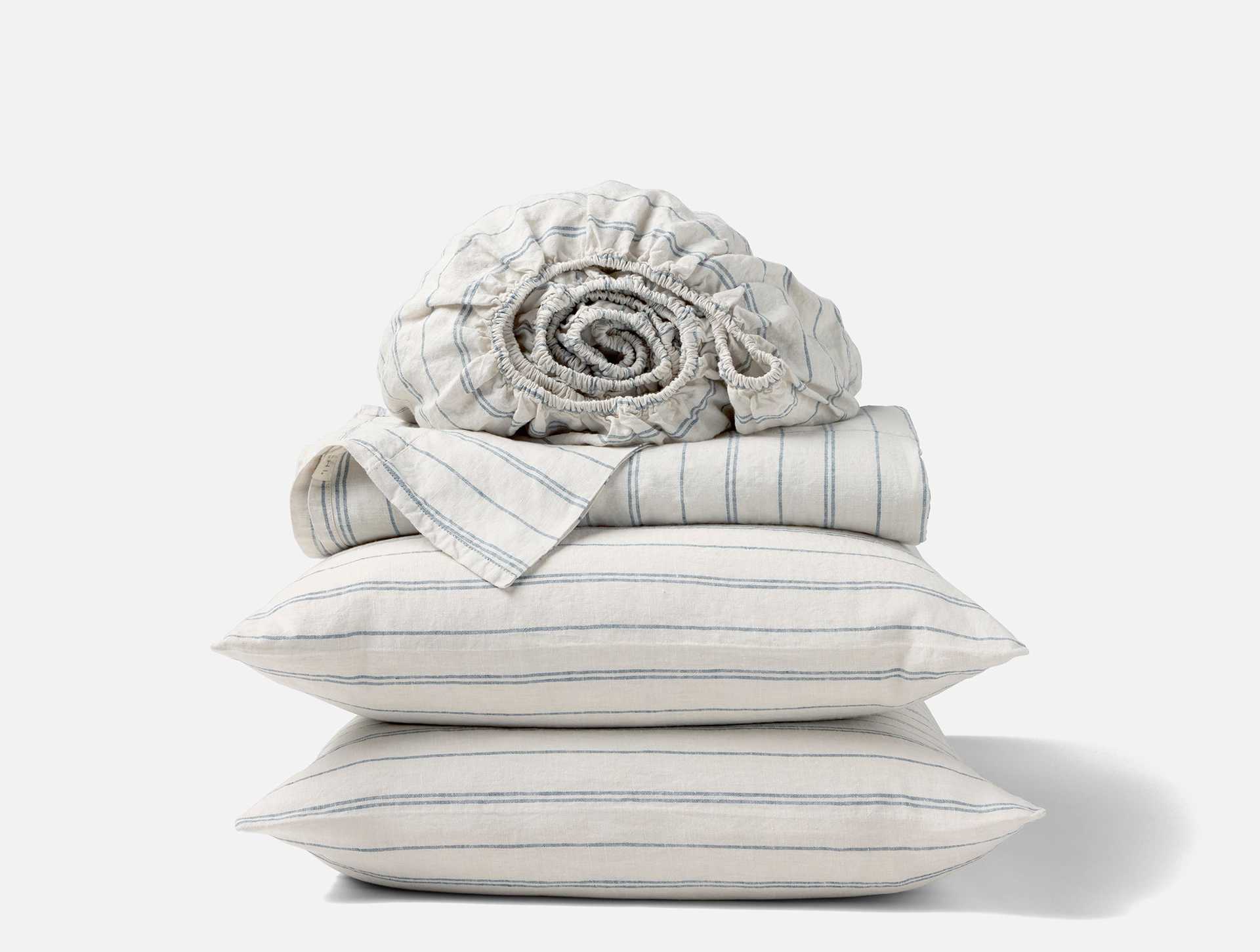
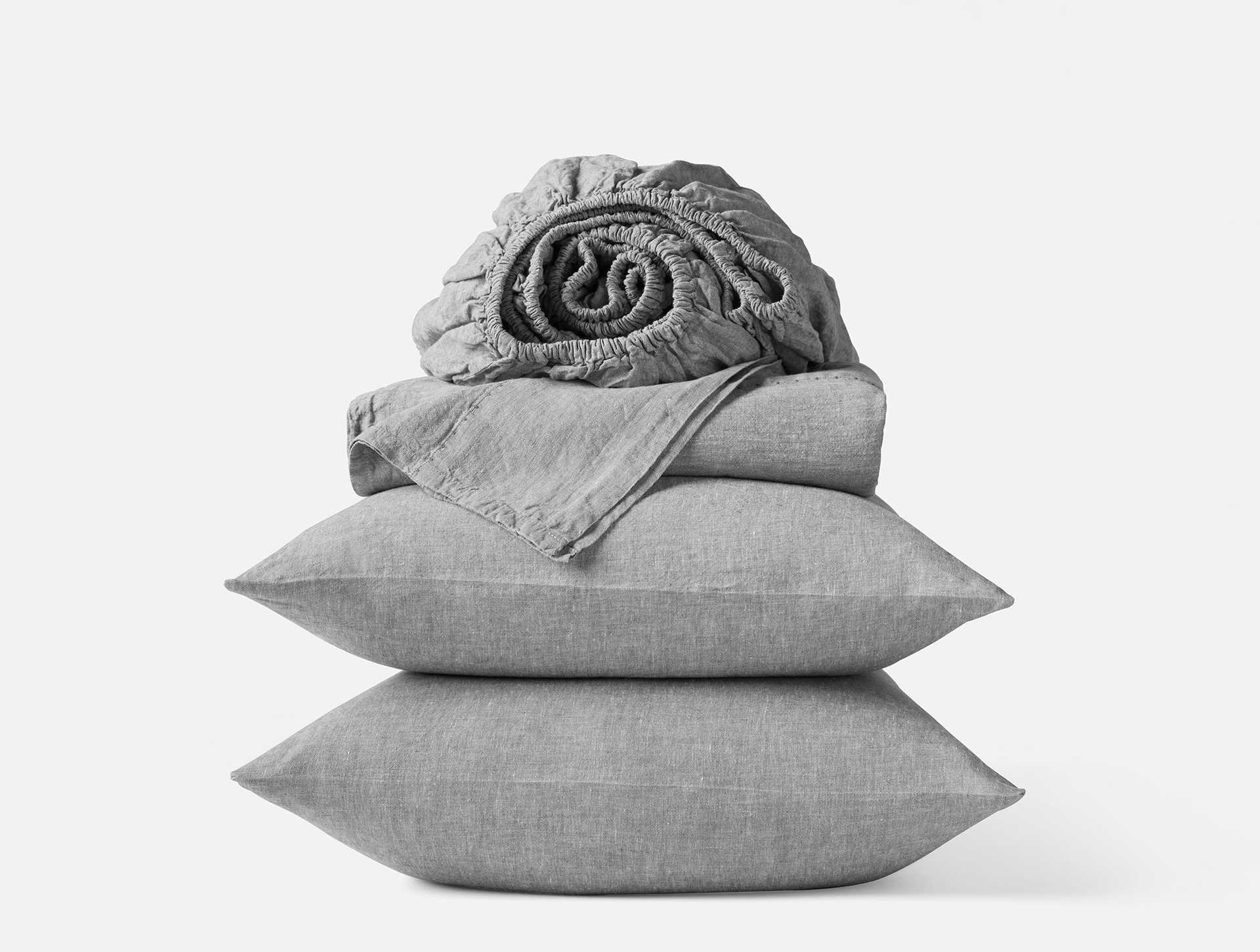
For example, breathable linen is often appreciated for its relaxed texture and ability to manage moisture. A GOTS-certified organic linen option such as the Organic Relaxed Linen Sheet Set can form a light, tactile foundation beneath a comforter. Its care instructions call for a cold, gentle wash and low tumble drying, which illustrates why it is useful to consider the entire bedding routine rather than the comforter alone. The sheet set does not determine whether down or wool is the right fill; it simply contributes another layer to the sleep environment.
Layering offers a flexible answer to changing seasons. A comforter paired with a breathable sheet and a removable blanket can be adjusted without replacing the main bedding. This approach is especially useful when the bedroom temperature varies, or when two sleepers experience warmth differently. Keep the layers easy to remove and store, and let comfort—not a fixed rule about what belongs on a bed in a particular month—guide the arrangement.
Questions to ask before choosing
Is down always warmer than wool?
No. Down is highly effective at trapping air and is often warm for its weight, but overall warmth depends on fill quantity, construction, and rating. Wool can also provide substantial insulation. Compare specific comforters rather than assuming one material is invariably warmer.
Does a higher fill power mean a warmer down comforter?
Not by itself. Fill power describes loft potential relative to weight; it does not tell you the total amount of fill or the comforter’s full warmth level. Look at fill power alongside fill weight, construction, and the manufacturer’s warmth guidance.
Is wool a cooling material?
Wool is insulating, not a cooling device. Its ability to absorb and release water vapor may help moderate the feel of a changing sleep environment, but the outcome depends on the comforter, shell, room, and sleeper. It should not be treated as a guarantee against overheating.
Can either type be washed at home?
Some can, and some should not. Care requirements vary by product, so follow the label rather than relying on a general rule about down or wool. The size of the comforter and capacity of your machines are practical considerations even when home washing is allowed.
Which fill is better for someone who dislikes heavy bedding?
Down is commonly favored for its lofty warmth at relatively low weight. However, fill amount and construction still affect the sensation. Compare the finished product’s weight and dimensions, and if possible handle it before making a decision.
The considered choice
Down and wool offer two distinct interpretations of comfort. Down brings a buoyant, airy loft; wool brings resilient insulation and a more settled presence. Both can make a bedroom feel inviting, and both can perform well when the warmth level and care routine suit the sleeper.
Begin with the feel you want, then look closely at the details that turn a material into a finished comforter: fill amount, construction, shell, dimensions, care instructions, and the maker’s warmth rating. Add your bedroom climate and personal temperature preferences to the picture. That is a more reliable route to restful bedding than choosing by fiber name alone—and a more elegant one, too.